


Directeur Exécutif de l'ONTC
Mot du directeur
Né de la volonté du Gouvernement de faire du tourisme un levier stratégique des Objectifs de Développement Durable, l’Office National du Tourisme des Comores (ONTC) a engagé ces dernières années une dynamique de structuration et de modernisation du secteur. Cette trajectoire s’inscrit aujourd’hui dans une nouvelle dimension, alors que les Comores assurent en 2026 la Présidence de l’Organisation des Îles Vanille, positionnant l’archipel au cœur de la coopération touristique régionale et du rayonnement de l’océan Indien.
En 2018, l’Organisation Mondiale du Tourisme avait classé l’Union des Comores au 6ᵉ rang des pays en croissance touristique parmi un groupe de dix destinations émergentes. Cette dynamique s’est confirmée ces dernières années, avec une progression continue des arrivées et des recettes touristiques. Le marché demeure marqué par une forte dimension affinitaire, notamment les visites familiales et les grands mariages, tout en révélant un potentiel important de développement sur les segments loisirs et affaires.
Cette évolution positive résulte également des efforts engagés par les autorités publiques pour améliorer l’accessibilité et les conditions d’accueil. La facilitation des liaisons aériennes, l’amélioration progressive des infrastructures et l’allègement de certaines formalités ont contribué à renforcer l’attractivité de la destination.
Aujourd’hui, l’enjeu dépasse la seule croissance des arrivées : Il s’agit de structurer, professionnaliser et diversifier l’offre afin d’inscrire durablement les Comores parmi les destinations émergentes de l’océan Indien, dans une logique de compétitivité, de durabilité et de valorisation de nos atouts naturels et culturels.
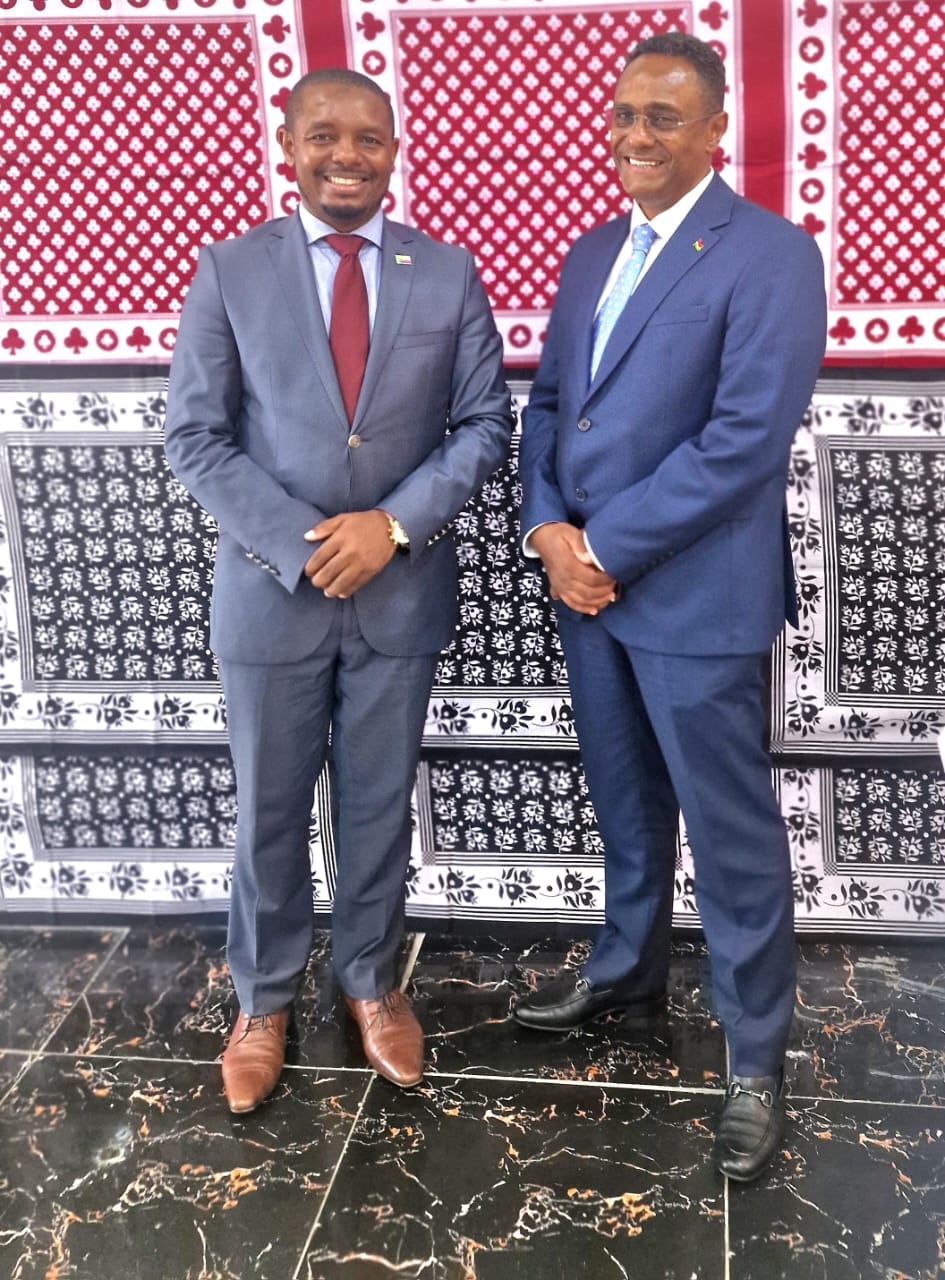
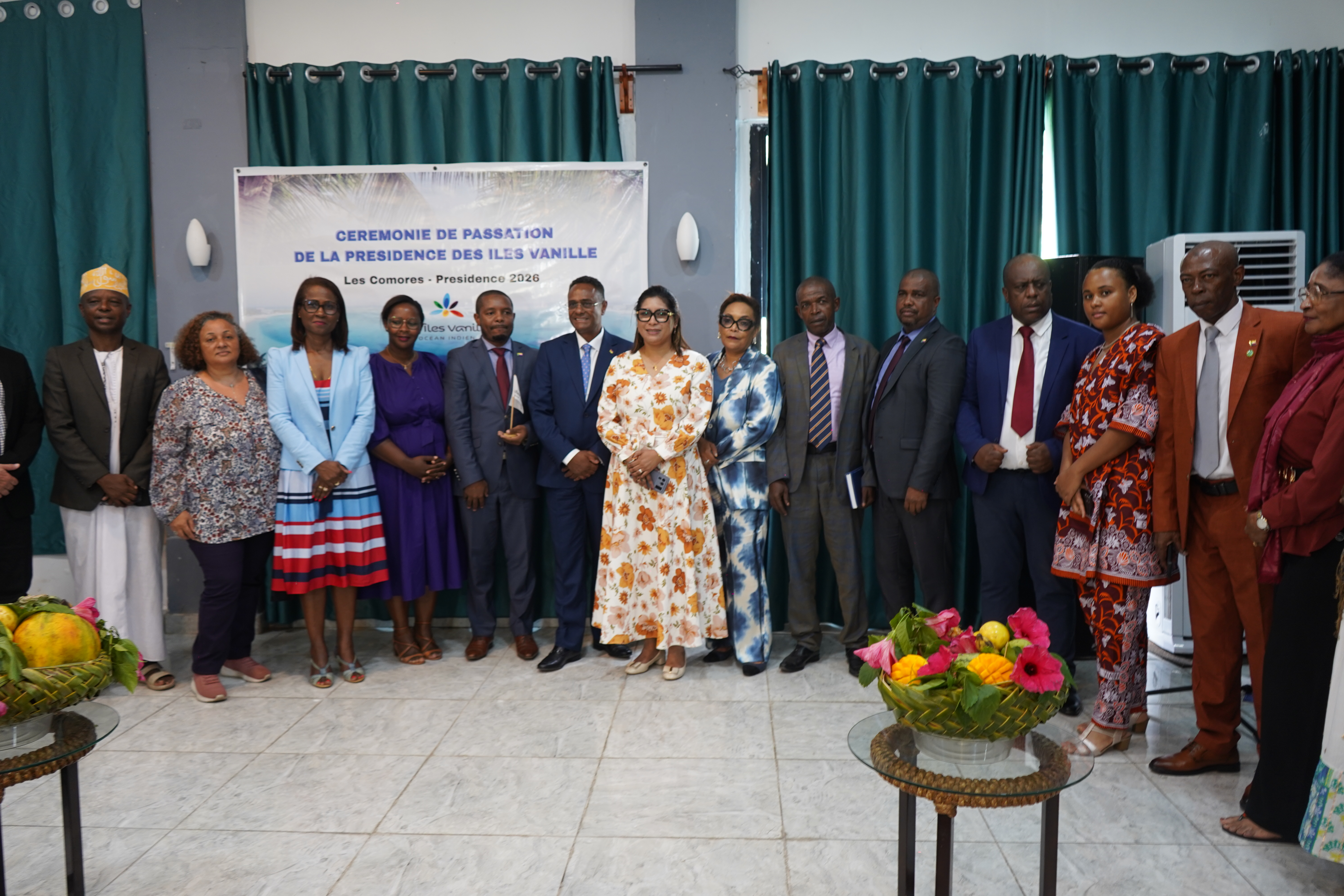
L’Office National du Tourisme des Comores (ONTC) a eu l’honneur d’accueillir la cérémonie officielle de passation de présidence, consacrant l’Union des Comores à la tête de l’organisation pour l’année 2026.
Cet événement symbolique et stratégique a réuni les représentants des destinations membres et marque une étape importante dans le renforcement du rôle des Comores au sein de la coopération touristique régionale de l’océan Indien.

THE MISSION OF THE NATIONAL TOURISM OFFICE (ONTC)
The National Tourism Office of the Comoros (ONTC) is a public institution governed by national law and endowed with an independent legal status. It has assigned missions and has its own mode of organization and operation.
On December 29, 2011, law No. 11 AU on tourism was adopted, establishing the Comoros National Tourism Office (ONTC). This law was promulgated by Decree No. 12-02/PR of 4 February 2012. The ONTC is a public institution with a professional character. Its primary mission is to ensure a good reception and provision of information to tourists, as well as the promotion of tourism. In this way to make the archipelago known to the widest possible audience worldwide, with the aim of increasing the number of visitors while communicating the wonders and the subtleties of the territory and the culture of the Comoros

IN CLEAR TERMS, THE ONTC HAS AS ITS MISSIONS:
To contribute to the coordination of the actions of the various partners in the national tourism development;
It can take charge of all or part of the planning and implementation of local tourism policy, local programs for tourism development, market and product studies, entertainment activities, and the organization of festivals and cultural events;
It is also authorized to market tourist services.
IT IS THROUGH THESE ASSIGNED MISSIONS THAT THE ONTC DEALS WITH
The reception and provision of information to visitors;
The organization of tourism promotion and marketing;
The alignment of tourism promotion by the different partners of local tourism development.
ORGANISATION & FONCTIONNEMENT DE L'ONTC
- At the top is the Board of Directors, including the main government and private parties, which allows the ONTC to benefit from the experience of local actors. The Board’s role is to define the development policy of the Office and control its implementation. It is composed of two (2) colleges:
- The college of the Administration: composed of five (5) representatives including one (1) from the Ministry of Tourism, one (1) from the Assembly of the Union of Comoros and one from each from the three island tourism offices.
- The college of the tourism professionals: composed of six (6) representatives including one (1) from the hotel sector, one (1) from the restaurant sector, one (1) from the travel companies, one (1) from the travel agencies, one (1) from the UCCIA and one (1) from the guide’s association.
Below the Board is the executive management in charge of implementing the program defined by the Board of Directors. Its work is assigned by the assistant director. The three main departments of the ONT, namely the financial department, the legal department, and the technical department, are divided into Island Offices on the three islands of the Union of the Comoros, and into communication, marketing, promotion, and maintenance services.
This decentralized organization allows for autonomous action based on the specific tourism needs of the islands. To be most effective, emphasis is placed on improving human resources through training adapted to the needs of the departments, services, and islands.
As its name indicates, this department is responsible for the finances of the ONTC. It not only looks for financial partners, but also monitors and controls expenditures to ensure that they are in line with weekly or monthly disbursement plans. It works closely with the marketing and promotion departments.
FINANCING OF THE ONTC
- Restaurant taxes;
- The contributions of the members of the colleges of professionals;
- State subsidies and aid received from international partners;
- Income from the operation of tourism activities and sites which it operates;
- Approval fees paid by tourism operators;
- Annual licensing fees, etc.
The question of the financing of the ONTC has been addressed by the law on tourism, which created the Office as the only institution responsible for tourism promotion. According to this law, the sources of financing of the ONTC include: